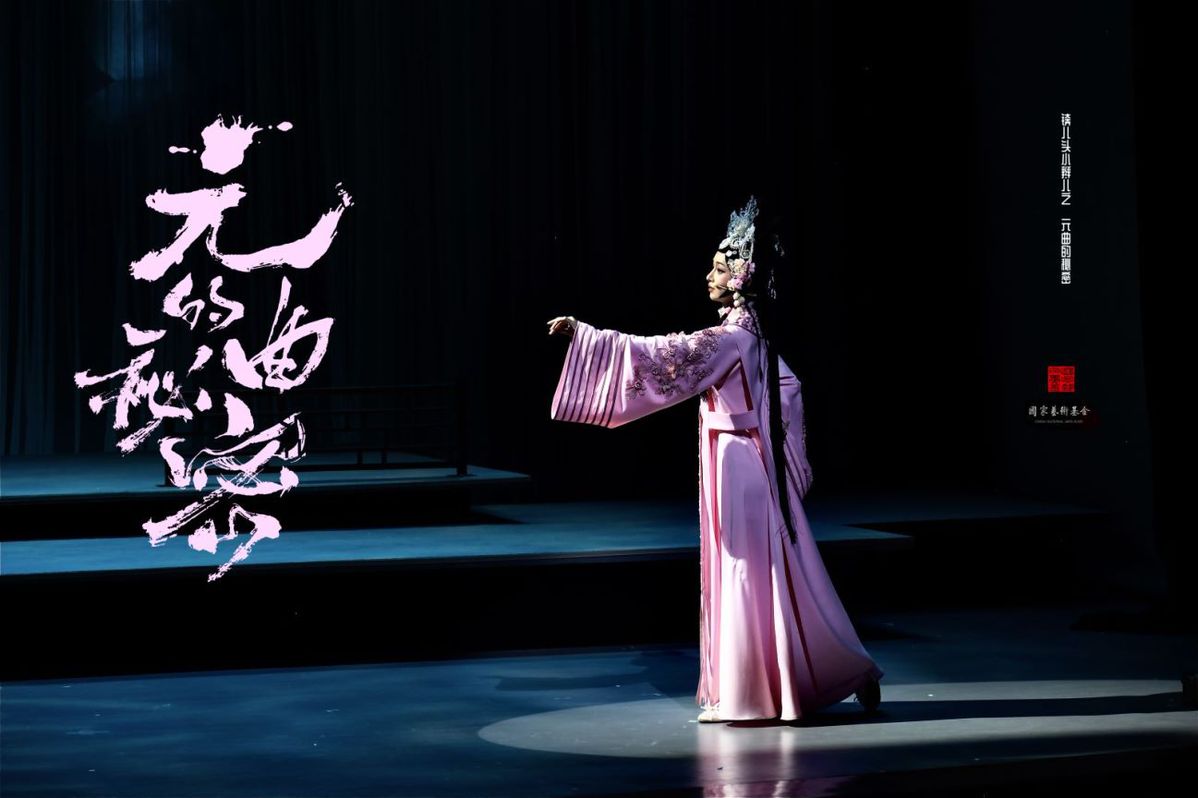
Dou E Yuan
Introduction
"Dou E Yuan", also known as "Injustice to Dou E", is a classic Chinese play written by Guan Hanqing during the Yuan Dynasty (1271-1368). It is one of the most celebrated works in the Chinese dramatic tradition and has been a significant influence on subsequent Chinese literature and theater.
The play tells the tragic story of Dou E, a young widow who is wrongfully convicted of murder and executed, but whose innocence is revealed posthumously through supernatural occurrences. The narrative explores themes of injustice, fate and filial piety, making it a poignant critique of societal and legal systems.
Background
"Dou E Yuan" emerged from the rich cultural and literary landscape of the Yuan Dynasty, a period renowned for its flourishing dramatic literature known as Yuanqu. This era witnessed the rise of Chinese opera as a dominant theatrical form, with playwrights crafting intricate stories that blended poetic dialogue with music and dance. The Yuan Dynasty was characterized by significant social and political changes, which brought about a new social order and cultural exchanges. Within this context, dramatic works such as "Dou E Yuan" often served as vehicles for social commentary, reflecting the struggles and injustices experienced by ordinary people.
Guan Hanqing, the author of "Dou E Yuan", was a prominent playwright and poet of the Yuan Dynasty. Often referred to as the "Shakespeare of China", his works are celebrated for their vivid storytelling, memorable characters and incisive social critique. Guan Hanqing was born around 1241, and despite the limited biographical information available, he is known to have been active in the cultural hubs of Dadu (present-day Beijing). His plays, numbering over 60, cover a wide range of genres and themes, with "Dou E Yuan" standing out as one of his most enduring contributions to Chinese theater. Guan Hanqing's ability to capture the essence of human emotions and his critique of social injustices have cemented his legacy as one of the greatest playwrights in Chinese history.
Cultural Significance
Influence on Chinese Literature
"Dou E Yuan" has left a lasting impact on Chinese literature, serving as a source of inspiration for countless subsequent works. Its exploration of themes such as social injustice and filial piety has resonated with generations of writers and playwrights. The play's enduring popularity is reflected in its inclusion in anthologies of classic Chinese drama and its continued study in academic settings.
Adaptations and Performances
The drama's compelling narrative and rich emotional depth have made it a favorite for adaptations and performances across various media. "Dou E Yuan" has been adapted into operas, films and stage productions, each iteration bringing new interpretations to the timeless story. Modern performances often incorporate traditional Chinese opera elements, such as Peking Opera, while infusing contemporary artistic expressions, underscoring the play's versatility and enduring relevance.








